Planning · Mexico City
Ultimate Guide to Mexico City
Everything you need to know about visiting Mexico City: where to stay, how to get around, food, safety, altitude, neighborhoods, day trips, and how to plan a first trip that actually feels good.
Mexico City rewards curiosity more than checklists. Base yourself in a walkable neighborhood (Roma, Condesa, or Polanco for most first-timers), plan 4–5 days minimum, respect the altitude on day one, eat constantly, and use rideshares or Metro with ordinary big-city awareness. Teotihuacan is the essential day trip.
Mexico City is not a weekend checklist city. It is a highland megalopolis with layered history, neighborhood identities, and a food culture that can fill a week before you finish one colonia.
This guide is the field notes version: what matters on a first trip, what to ignore, and how to leave with a plan instead of a panic of tabs.
How many days you need
3 days: Centro highlights, one museum cluster, and heavy eating in Roma/Condesa. Feels compressed.
4–5 days: The sweet spot for most first visits. Add Chapultepec / Anthropology or Coyoacán, keep evenings free for tacos, and take one day trip (usually Teotihuacan).
7 days: Room for a second day trip, slower museums, and neighborhoods you would otherwise skip.
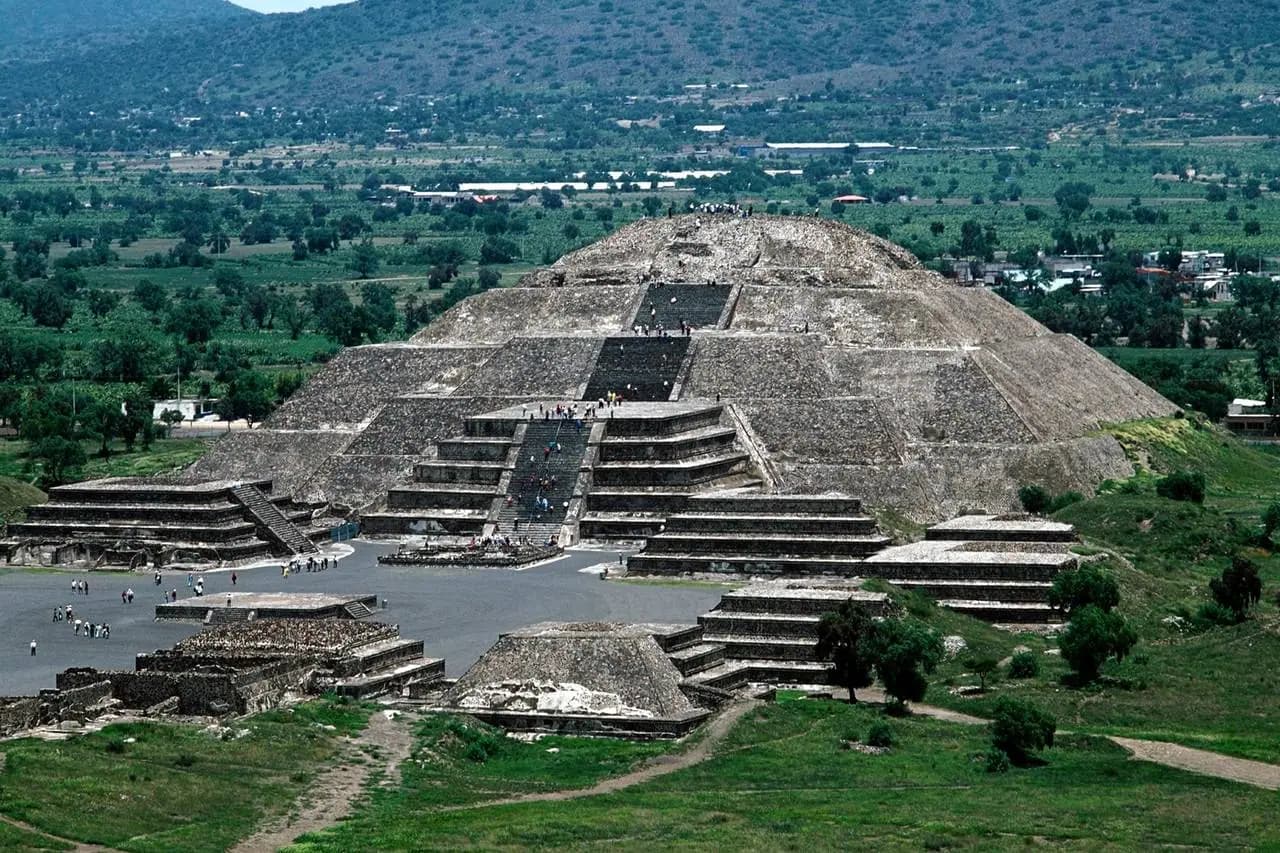
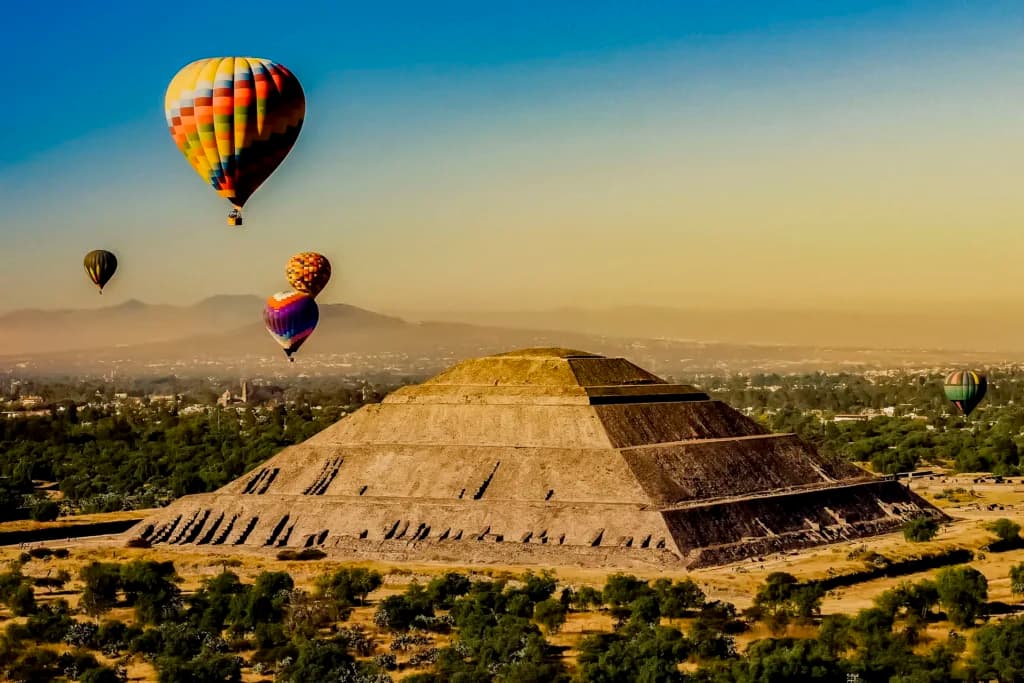
If you only have one spare day outside the city, Teotihuacan is still the highest-return outing for most travelers.
Where to stay (first-timer map)
You do not need to “see every borough.” You need a base you enjoy walking from.
| Area | Best for | Trade-off |
|---|---|---|
| Roma Norte | Food, bars, walkability | Busy, nightlife noise on some streets |
| Condesa | Parks, cafés, couples | Higher lodging rates |
| Polanco | Hotels, polished dining, museums nearby | Less “local street” energy, spendier |
| Juárez / Reforma | Short stays, central hops | Block-by-block feel varies |
| Coyoacán | Plazas, Frida Kahlo crowds, slower pace | Farther from many central sights |
| Centro Histórico | History by day | Choose lodging carefully; nights are more selective |
Getting there and around
Airports
Most visitors land at AICM (MEX). Some flights use AIFA (NLU), which can mean a much longer transfer into central neighborhoods. Confirm which airport your ticket actually uses before you book a hotel “near the airport.”
In the city
- Walking works well inside Roma, Condesa, and many Polanco blocks.
- Uber / DiDi are the default visitor habit for evenings, luggage, and tired legs.
- Metro is cheap and often faster than traffic. It is also crowded; keep phones and bags intentional at rush hour.
- Metrobús helps on big corridors (think Reforma / Insurgentes-style routes).
- Street taxis are where many visitor caution stories start. Prefer app rides or official stands when you need a car.
You almost never need a rental car for a classic CDMX visit.

Neighborhoods worth your time
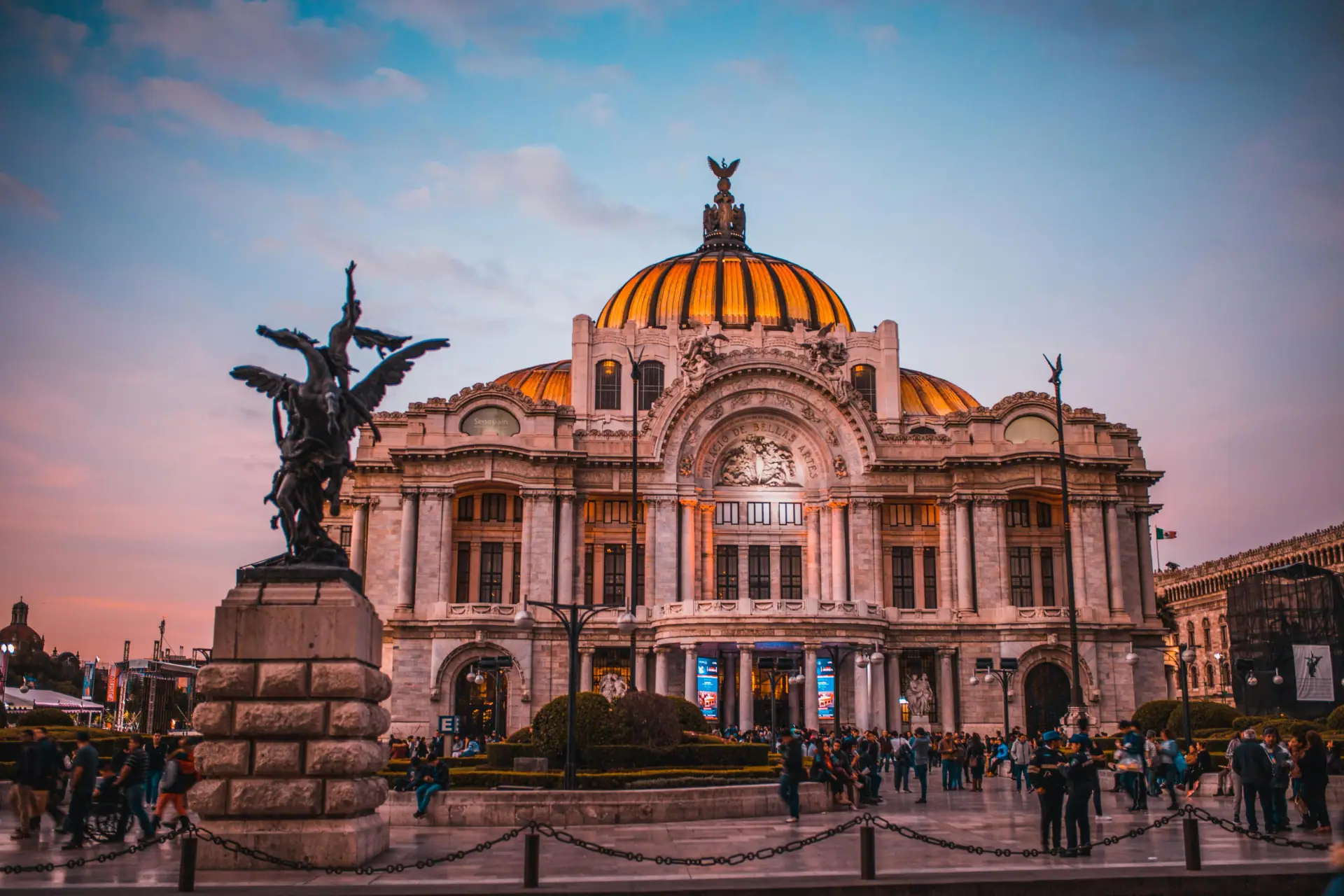
Centro Histórico: Zócalo, cathedral, Templo Mayor, Palacio de Bellas Artes, Alameda. Best by day; be selective late.
Chapultepec: The city’s green lung, plus the National Museum of Anthropology for many travelers’ single best indoor hour in CDMX.
Roma and Condesa: Everyday Mexico City pleasure: coffee, galleries, parks, dinner that turns into another dinner.
Coyoacán: Cobblestones, plazas, Frida Kahlo Museum (book ahead when possible), a different tempo from Reforma.
Polanco: Museums, shopping, and a more polished hotel corridor between Chapultepec and the business towers.
You do not need all of these. You need two or three done well.
Food: the real itinerary
Mexico City’s food scene is not a side quest. It is the trip.
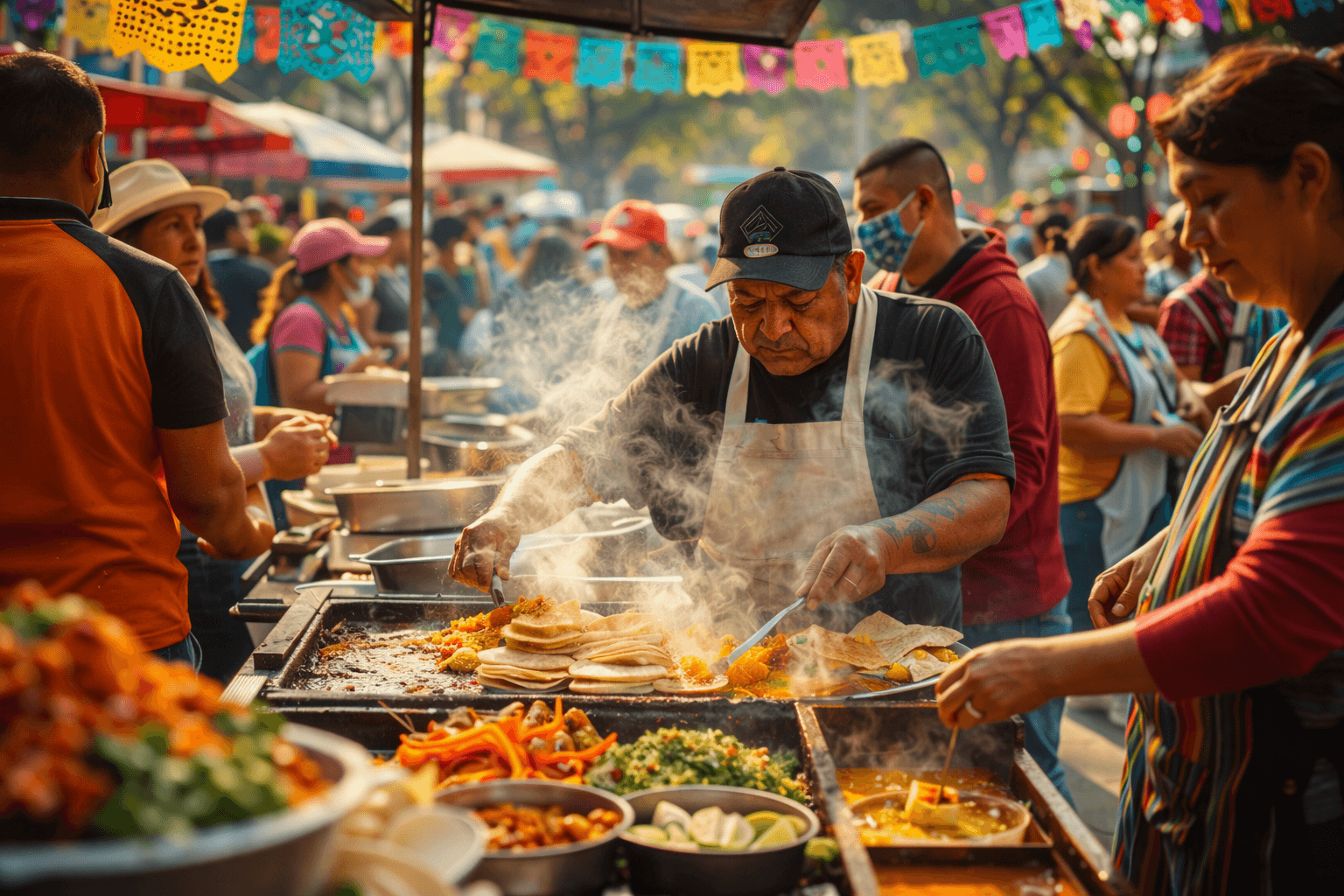
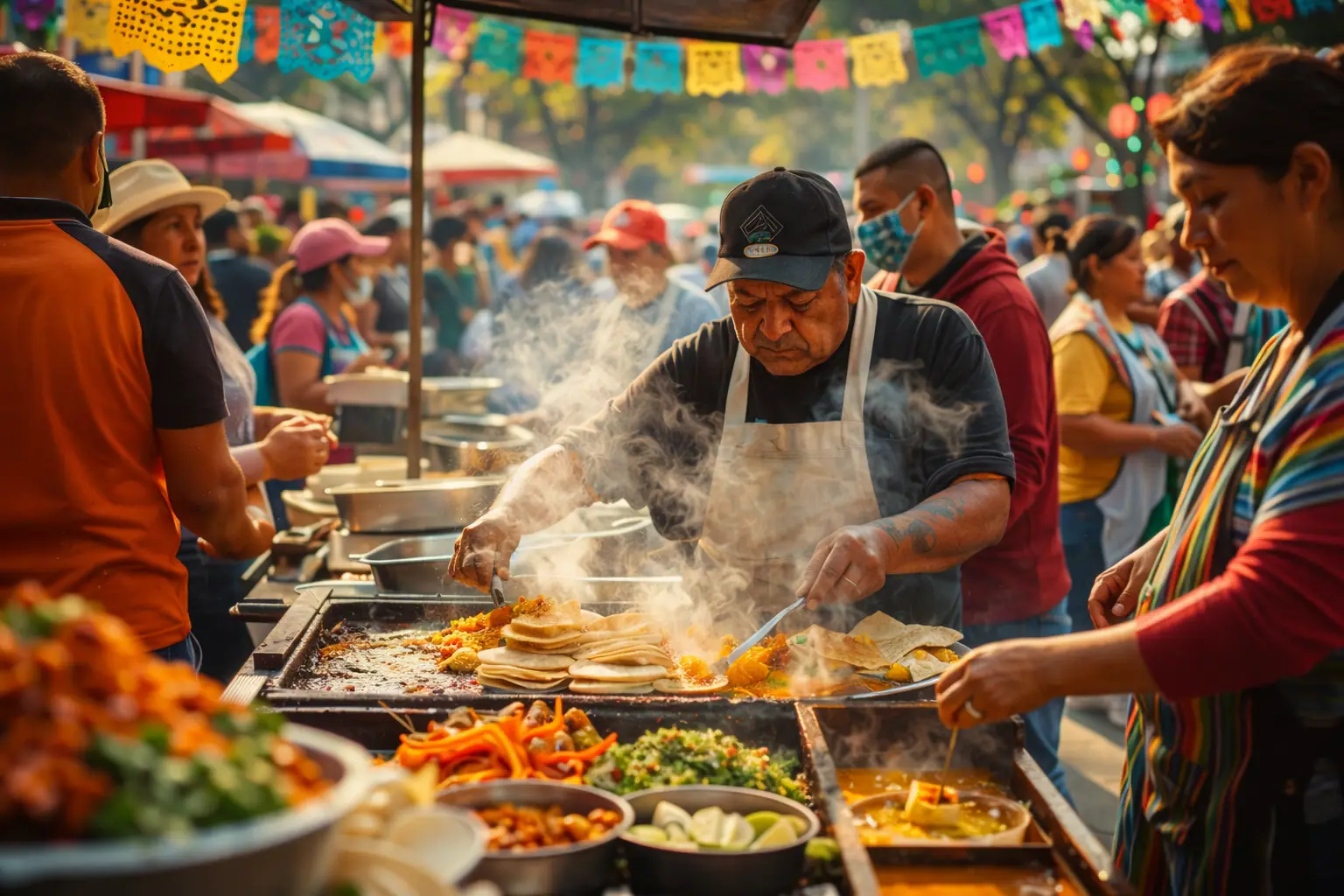
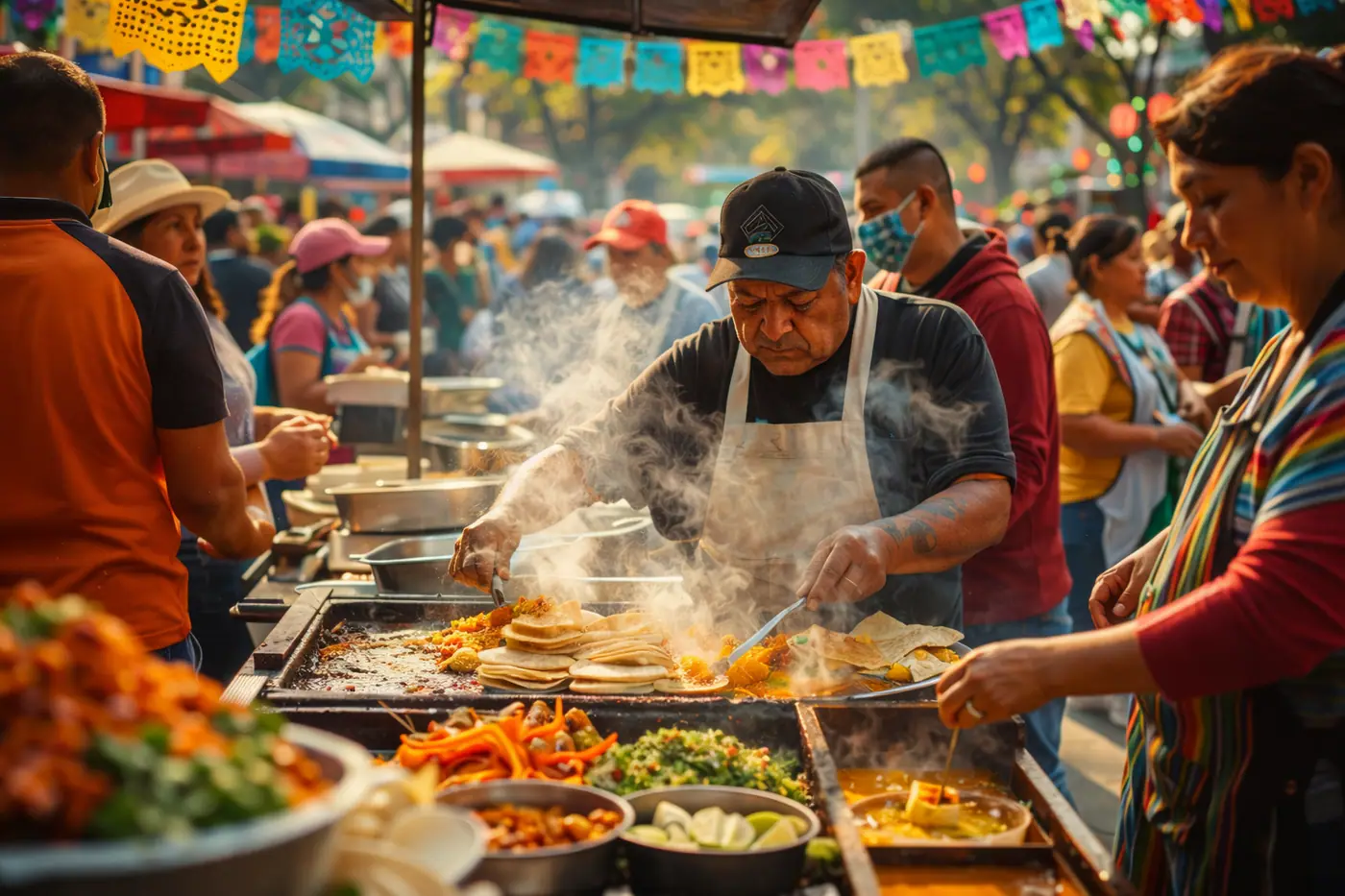
Eat street stalls with a line of locals. Sit down for a long comida. Leave room for late tacos. Markets (from neighborhood tianguis to big classic halls) teach you more about the city than another overlook photo.
Practical notes:
- Prefer busy stalls and restaurants with turnover.
- Drink bottled or filtered water; do not treat tap water as visitor drinking water.
- Tip about 10–15% at sit-down restaurants (cash still appreciated).
- If you want a structured food day without guesswork, a private taco experience removes the “where do we even start” problem.
Safety without the mythmaking
Mexico City is a huge city. Visitor neighborhoods like Roma, Condesa, Polanco, Coyoacán, and well-chosen Centro routes are traveled daily by international guests. The usual risks are boring and avoidable: pickpocketing on crowded transit, phone snatching, bad late-night transport choices, and wandering empty side streets when you are exhausted.
Practical habits that matter more than fear:
- Use app rides at night when in doubt.
- Keep phones and cameras intentional on Metro platforms and busy sidewalks.
- Use bank ATMs when you need cash; avoid sketchy standalone machines.
- Treat nightlife like nightlife anywhere: watch drinks, share locations, leave together.
Official travel advisories change; re-check your government’s guidance before you fly. The local rule stays stable: common sense beats paranoia.
Money, connectivity, and small systems
- Cards work widely in visitor areas; keep some pesos for markets, tips, and small stalls.
- eSIM / local SIM options are easy; offline Google Maps is still worth downloading.
- Spanish helps; English is common in Roma, Condesa, Polanco, and tourism-facing businesses.
- Sunscreen matters at altitude even on cool days.
Best time to visit
CDMX is a year-round city. Dry-season months often feel clearer and easier for walking. Rainy-season afternoons can still work if you start early and carry a light layer. Holiday bridges and big events raise hotel rates and crowd major sights.
If your dates are flexible, avoid packing your hardest walking day into the first 24 hours after landing.
Day trips that earn the seat time
Teotihuacan is the default for a reason: scale, history, and a full-day arc from Mexico City. Read the ultimate Teotihuacan guide before you book anything that promises pyramid climbing as a guarantee.
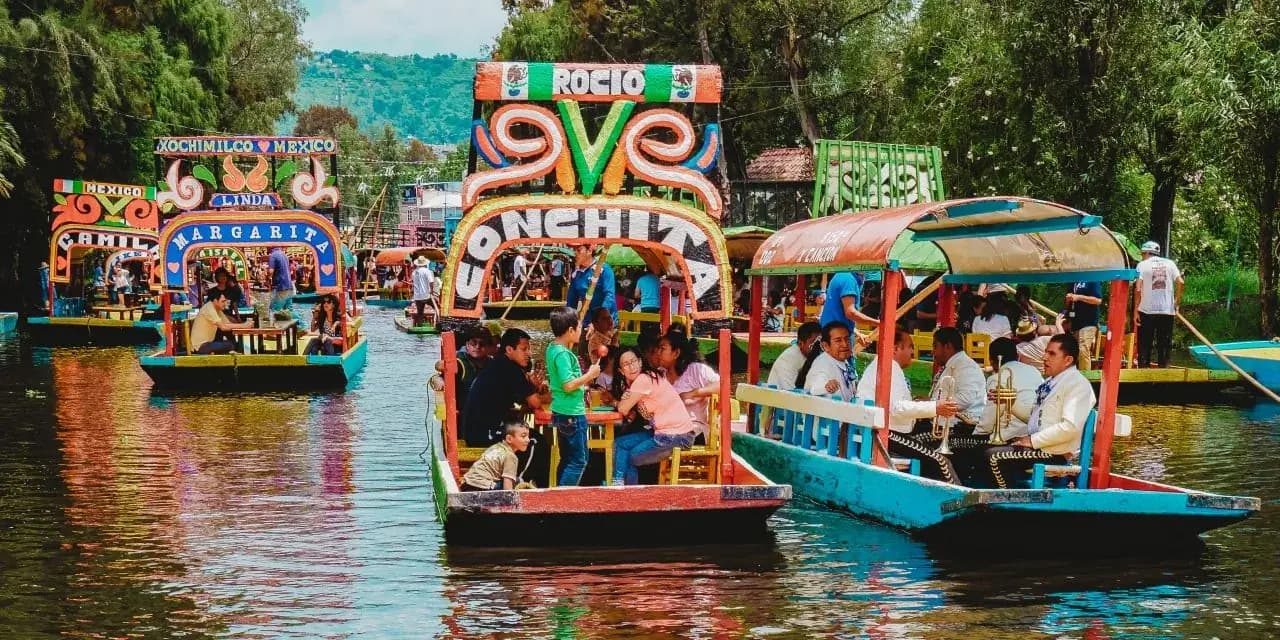
Xochimilco is a different mood: boats, weekends, and atmosphere more than archaeology.
Other escapes exist (pueblos, volcano views, longer cultural days). For a first trip, one excellent day trip beats three mediocre ones.
A simple first-trip shape
Day 1: Easy neighborhood walk + early dinner. Protect sleep and hydration.
Day 2: Centro Histórico highlights by day.
Day 3: Chapultepec / Anthropology or Coyoacán.
Day 4: Food-forward Roma/Condesa day, or a private taco crawl.
Day 5: Teotihuacan.
Swap freely. The structure matters more than the sequence: recover from altitude, mix heavy sightseeing with food days, and put the farthest outing when you feel strong.
When a private day helps
DIY Mexico City is very doable. Private transport and a local host earn their keep when you want:
- an early Teotihuacan start without bus logistics
- a custom food route without research spiral
- multiple stops in one day without rideshare fatigue
- a clearer story of what you are looking at
Guateque Time builds those days around how you actually travel: private pickup, local pacing, and experiences that feel curated rather than herded.
Sources and editorial caution
Neighborhood advice, safety habits, and transit norms here reflect common visitor practice and publicly discussed 2026 travel guidance. Airport choice, museum hours, ticket prices, and event calendars change. Confirm time-sensitive details close to your trip, especially for museums with timed entry and for Teotihuacan climbing rules via INAH.
FAQ
- How many days do you need in Mexico City?
- Four to five full days covers a strong first visit (Centro, Chapultepec, a neighborhood day, food focus, and one day trip). A week is better if you want museums without rushing and a second day trip.
- Is Mexico City safe for tourists?
- In common visitor areas, yes for most travelers who use normal big-city habits: rideshares over random street taxis, awareness on crowded Metro cars, and selective late-night walking. Petty theft is the main tourist risk.
- Where should first-timers stay?
- Roma Norte and Condesa are the easiest for walking and food. Polanco is polished and hotel-heavy. Juárez / Reforma works for short central stays. Coyoacán is quieter and farther from many central sights.
- Do I need to speak Spanish?
- Helpful, not required in visitor neighborhoods. A few phrases go far at markets and with drivers. Download offline maps and a translation app.
- Can you drink the tap water?
- Do not drink tap water as a visitor. Use bottled or filtered water. Ice in established restaurants is typically made from purified water.
From the day
Scenes from Mexico City and the days around it.
Prefer a quieter day
Private transport. Local host. Your pace.
If arranging the bus, gates, and timing sounds like work you would rather skip, we can run the day door to door.
See traveler notes or our Google profile.
Related experiences
If a private guide and door-to-door logistics would make this easier, these Guateque Time experiences are a natural next step.
- Private Teotihuacán Experience
Book a private Teotihuacán tour from Mexico City: early pyramid access, hot-air balloon views, artisan obsidian stop, and cave lunch. Hotel pickup in Roma, Condesa & Polanco. From $399 USD for 2 people.
- Private Taco Tour Mexico City (San Rafael)
Private taco crawl through San Rafael with a local host. Four stops, real neighborhood flavors, hotel pickup included. From $65. Skip tourist-trap taco tours.
- Private Xochimilco Tour from Mexico City
Private Xochimilco trajinera with hotel pickup from CDMX. Ideal for groups, bachelor and bachelorette parties. Local host, drinks options, no pier chaos. From $99.
- Private Lucha Libre Experience Mexico City
Private lucha libre night in Mexico City: Arena México coordination, local host, pre-meet, and hotel pickup. Cultural chaos without the logistics headache. From $95.
Keep reading
More answers in the Mexico City knowledge base.