Safety · Mexico City
Is Mexico City Safe for Tourists?
Straight talk on Mexico City safety for tourists: cartels, kidnappings, neighborhoods, night walking, rideshares, and what actually matters on a normal CDMX trip.
For most tourists staying in central neighborhoods and using normal big-city habits, Mexico City is workable and often feels calmer than the headlines. Cartel warfare and express-kidnapping panic are not the daily visitor reality in Roma, Condesa, Polanco, Juárez, or Centro. Petty theft, phone snatching, and bad taxi decisions are the risks that actually show up. Stay aware, use rideshares, and do not treat the whole country as one crime scene.
If your Mexico City research tab is full of cartel documentaries and kidnapping threads, breathe. That content is designed to keep you scrolling. It is not a map of a normal visitor week in Roma Norte.
Mexico City is a huge capital. It has crime, inequality, and neighborhoods you should not wander into casually. It also has millions of people commuting, eating tacos, going to museums, and living ordinary lives. Tourists who stay oriented in the central visitor belt usually leave saying the city felt livelier and more manageable than they expected.
This guide is the calm version: what the scary headlines get wrong, what you should still take seriously, and the habits that matter more than panic.
Short answer
Yes, Mexico City can be a safe trip for tourists when you behave like a smart city traveler:
- Base yourself in walkable central neighborhoods
- Use Uber, DiDi, or known transport instead of random curb taxis
- Keep phones and cameras from dangling at curb edges
- Walk busy, lit streets at night; rideshare when a block feels empty
- Do not flash cash, jewelry, or drunken confidence
You do not need an armed escort to eat tacos in Roma.
Cartels: what tourists actually need to know
Cartels are a serious national security and justice problem in Mexico. That sentence can be true and still not mean your Teotihuacan day trip is a cartel storyline.
In central CDMX visitor areas, the daily friction for tourists is almost never “cartel shootout on the sidewalk.” It is more often:
- Phone theft
- Pickpocketing on Metro or in crowds
- Opportunistic robbery if you look distracted and alone on a quiet street
- Scams around taxis, “helpful” strangers, or fake officials (less common than phone theft, still worth knowing)
Organized crime exists. Tourist itineraries in Polanco, Roma, Condesa, Juárez, Centro Histórico, Coyoacán, and guided day trips are not the same risk profile as contested trafficking corridors.
Kidnappings: panic vs practical risk
Kidnapping is a word that freezes families for good reason. In visitor conversations it often gets flattened into one fear: “tourists get taken.”
For a typical Guateque Time guest (hotel or Airbnb in a central colonia, daytime sightseeing, evening restaurants, app rides home), random kidnapping is not the leading risk. The leading risks are theft and bad transport decisions.
Historically, “express kidnapping” style crimes (short forced ATM runs, often involving rogue taxis) are part of why CDMX locals hammer one rule: use rideshare apps or trusted drivers, not unmarked street taxis.
Practical translation:
- Open Uber or DiDi inside a restaurant or lobby
- Confirm plate and driver name before you get in
- Share the trip if that lowers your stress
- Sit in the back
- Do not get into a car that “appeared” because someone waved at you outside a club
That habit alone removes a huge chunk of transport anxiety.
Where tourists usually feel fine
These are the zones most first-timers actually use:
| Area | Typical tourist feel |
|---|---|
| Roma Norte / Roma Sur | Walkable, restaurant-dense, lively evenings |
| Condesa | Parks, cafes, easy nights out |
| Polanco | Polished, hotel-heavy, more formal |
| Juárez / near Reforma | Central, busy, good for short stays |
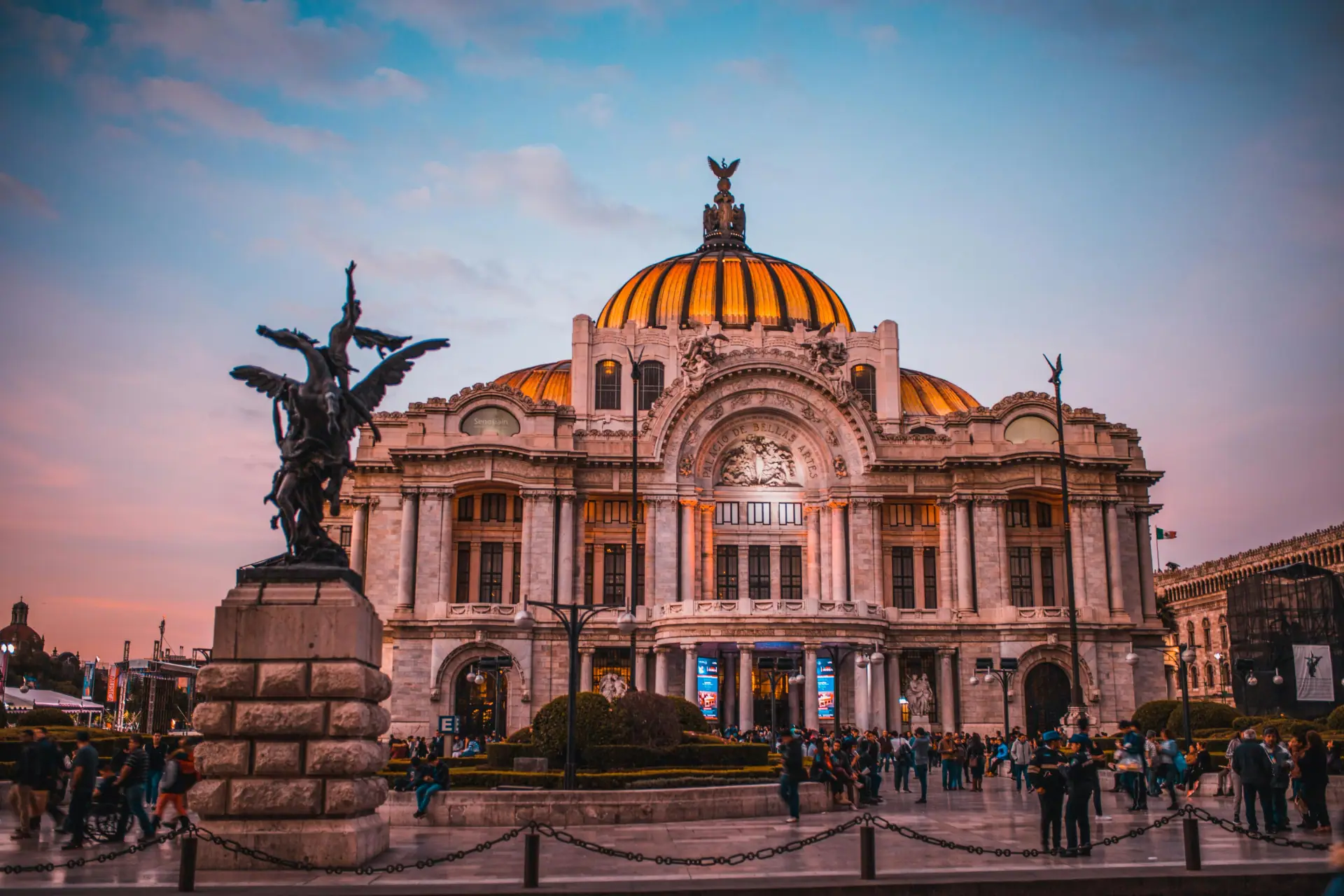
| Centro Histórico | Amazing by day; be more selective late |
| Coyoacán | Daytime plazas and markets; plan the ride home |
| San Rafael | Great for food crawls with a plan |
“Feels fine” does not mean “crime-free.” It means these areas are active, served by rideshares, and full of other people doing normal city things.
Neighborhoods and hours: use judgment
Empty industrial edges, poorly lit side streets at 2 a.m., and unfamiliar peripheral colonias are not where you “find authentic danger tourism.” They are where you get lost and look like a soft target.
Common-sense rules:
- Daytime Centro: excellent. Keep bags zipped in crowds.
- Late-night Centro: know your route or rideshare door to door.
- After bars: rideshare. Do not debate “it’s only six blocks” if those blocks are dead quiet.
- Markets and Metro: wonderful, and phone-snatch friendly if you hold your device loosely.
Solo travelers and women travelers
Plenty of solo travelers have great CDMX trips. The playbook is not “never leave the hotel.” It is selective confidence:
- Tell a friend your rough evening plan
- Prefer busy dining streets after dark
- Use official venue bathrooms when you can
- Trust discomfort. If a street suddenly empties, change the plan
- Book experiences with pickup when that helps you skip late logistics
Patience and pacing beat bravado. The city rewards people who stay curious and a little boring about transport.
Day trips (Teotihuacan, Xochimilco)
Day trips feel safer when logistics are deliberate: known pickup, known return, less improvisation at bus terminals if that stresses you.
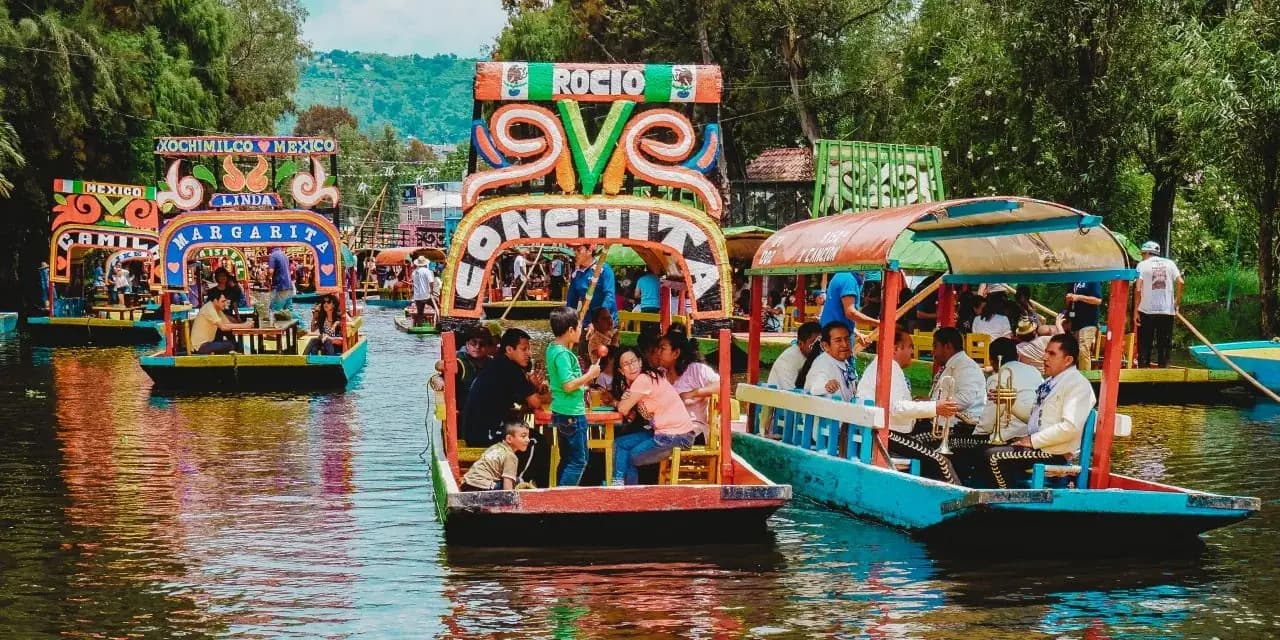
A private Teotihuacan tour or private Xochimilco tour is not about pretending CDMX is dangerous. It is about removing the parts of the day that create fatigue and bad decisions (missed returns, crowded terminals, navigating a new city while sun-fried).
What actually ruins trips more than cartels
- Altitude day one. Drink water, go easy on alcohol, do not hero-walk Chapultepec after a red-eye.
- Phone obsession at curb edges. Step inside a doorway to check maps.
- Over-scheduling. Exhausted tourists make worse safety choices.
- Drinking like you are at sea level. You are not.
- Cash theater. Carry what you need; do not open a thick wallet on a sidewalk.
How to talk yourself down before the flight
If anxiety is loud, use this checklist instead of doomscrolling:
- I have a central neighborhood base
- I have rideshare apps set up before I land
- I have one food plan and one museum plan for day one
- I will not treat every Mexican as a threat or every street as a cartel set
- I will revise plans if something feels wrong, without needing a dramatic story
Mexico City is intense, colorful, high-altitude, and imperfect. It is also one of the great cities of the Americas. Most visitors who arrive braced for a crime thriller leave talking about food, museums, and how normal the days felt.
Fear can keep you home. Awareness helps you enjoy the trip you came for.
FAQ
- Is Mexico City safe for first-time tourists?
- Yes for most visitors who stay in central areas, use Uber/DiDi instead of random street taxis, and keep phones and bags close in crowds. Treat it like a large capital city, not a war zone.
- Should I worry about cartels in CDMX?
- Cartel violence is a real issue in parts of Mexico, but it is not the main tourist experience in central Mexico City neighborhoods. Visitors are far more likely to deal with pickpocketing than cartel conflict.
- Are kidnappings common for tourists in Mexico City?
- Random tourist kidnappings are not a common everyday risk for people following normal visitor patterns. Express kidnapping scams have existed historically, which is one reason locals prefer app-based rides over unmarked taxis.
- Is Mexico City safe for solo travelers?
- Many solo travelers do fine, including women, with selective night walking, rideshares, and busy restaurant areas. Tell someone your plan, share live location if that helps you feel settled, and skip empty streets late.
- Is the Metro safe?
- Millions ride it daily. Use it in daylight or early evening, watch bags on crowded cars, and take women-and-children cars if offered and you prefer them. Late night, rideshare is usually easier.
From the day
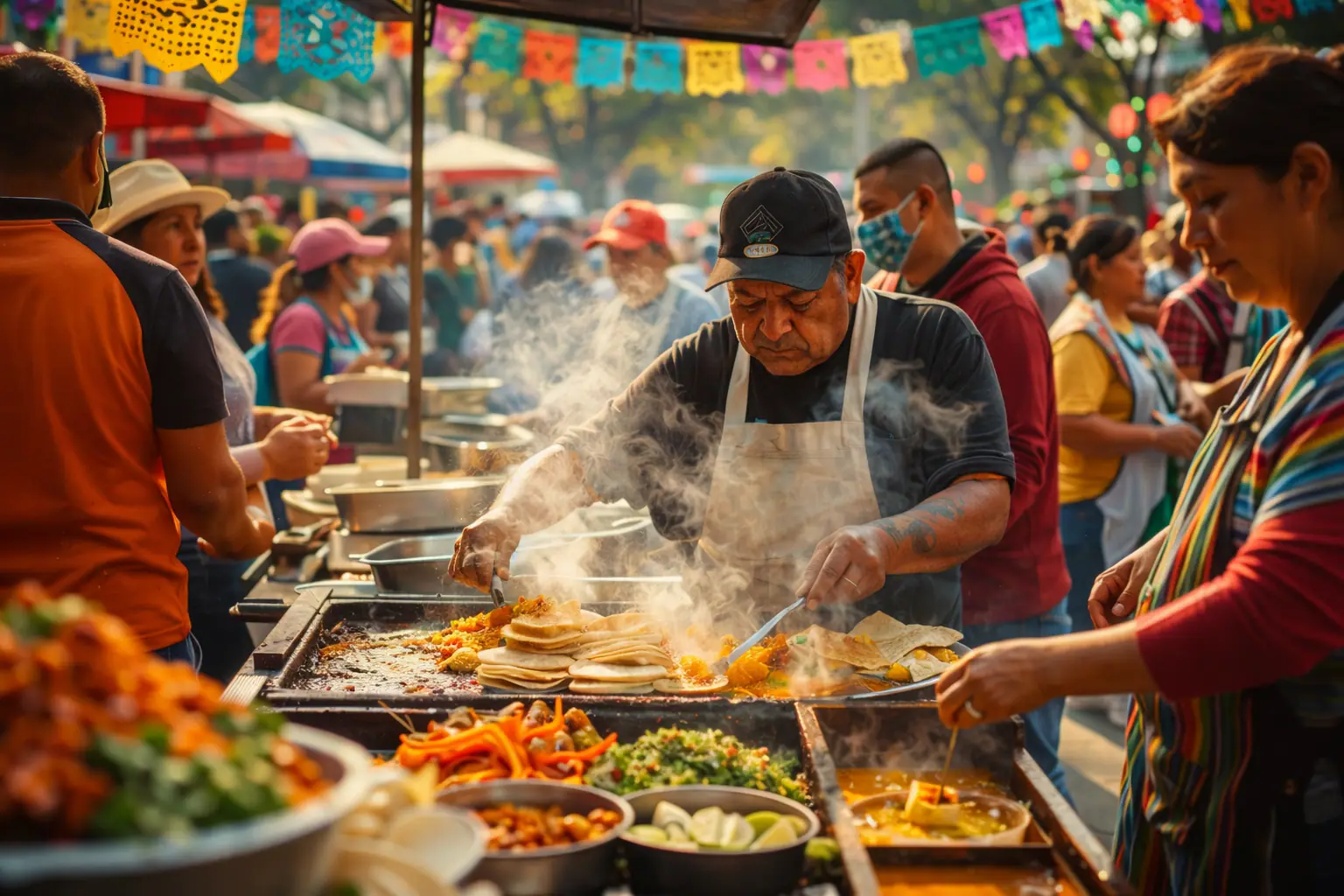
Scenes from Mexico City and the days around it.

Prefer a quieter day
Private transport. Local host. Your pace.
If logistics are the part that spikes your stress, we can handle pickup, pacing, and the ride home so you stay in the interesting parts of the day.
See traveler notes or our Google profile.
Related experiences
If a private guide and door-to-door logistics would make this easier, these Guateque Time experiences are a natural next step.
- Private Teotihuacán Experience
Book a private Teotihuacán tour from Mexico City: early pyramid access, hot-air balloon views, artisan obsidian stop, and cave lunch. Hotel pickup in Roma, Condesa & Polanco. From $399 USD for 2 people.
- Private Xochimilco Tour from Mexico City
Private Xochimilco trajinera with hotel pickup from CDMX. Ideal for groups, bachelor and bachelorette parties. Local host, drinks options, no pier chaos. From $99.
- Private Taco Tour Mexico City (San Rafael)
Private taco crawl through San Rafael with a local host. Four stops, real neighborhood flavors, hotel pickup included. From $65. Skip tourist-trap taco tours.
Keep reading
More answers in the Mexico City knowledge base.