Food · Mexico City
How to Eat Safely at a Mexico City Taco Stand
Practical taco-stand food safety in CDMX: hot meat, busy stalls, salsa clues, ice and drinks, what to skip, and how to enjoy street tacos with less stomach drama.
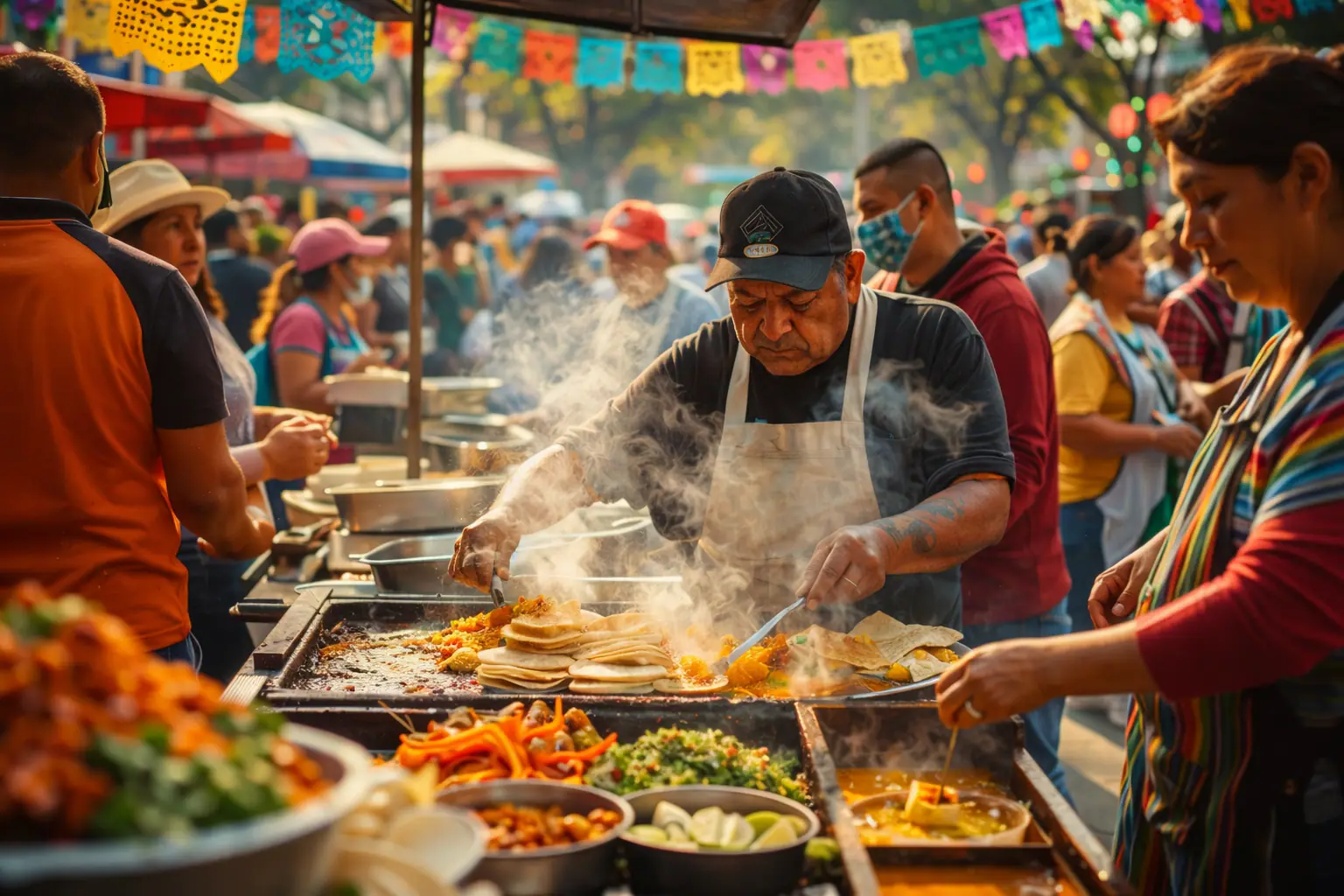
Choose busy stands where meat is cooked to order on a hot plancha or trompo, tortillas come off heat, and locals are eating. Skip empty carts with food sitting out, lukewarm meat, and mystery seafood that looks tired. Start with 2-3 tacos, go easy on raw onion/salsa if your stomach is sensitive, and drink bottled or sealed beverages.
Street tacos are one of the best parts of Mexico City. They are also where anxious travelers freeze, staring at a trompo like it is a medical decision.
You do not need a lab coat. You need a few visual checks: heat, turnover, and common sense. This guide is the field version of “how to eat at a taco stand without turning dinner into a story you tell for the wrong reasons.”
The 10-second scan
Before you order, look for:
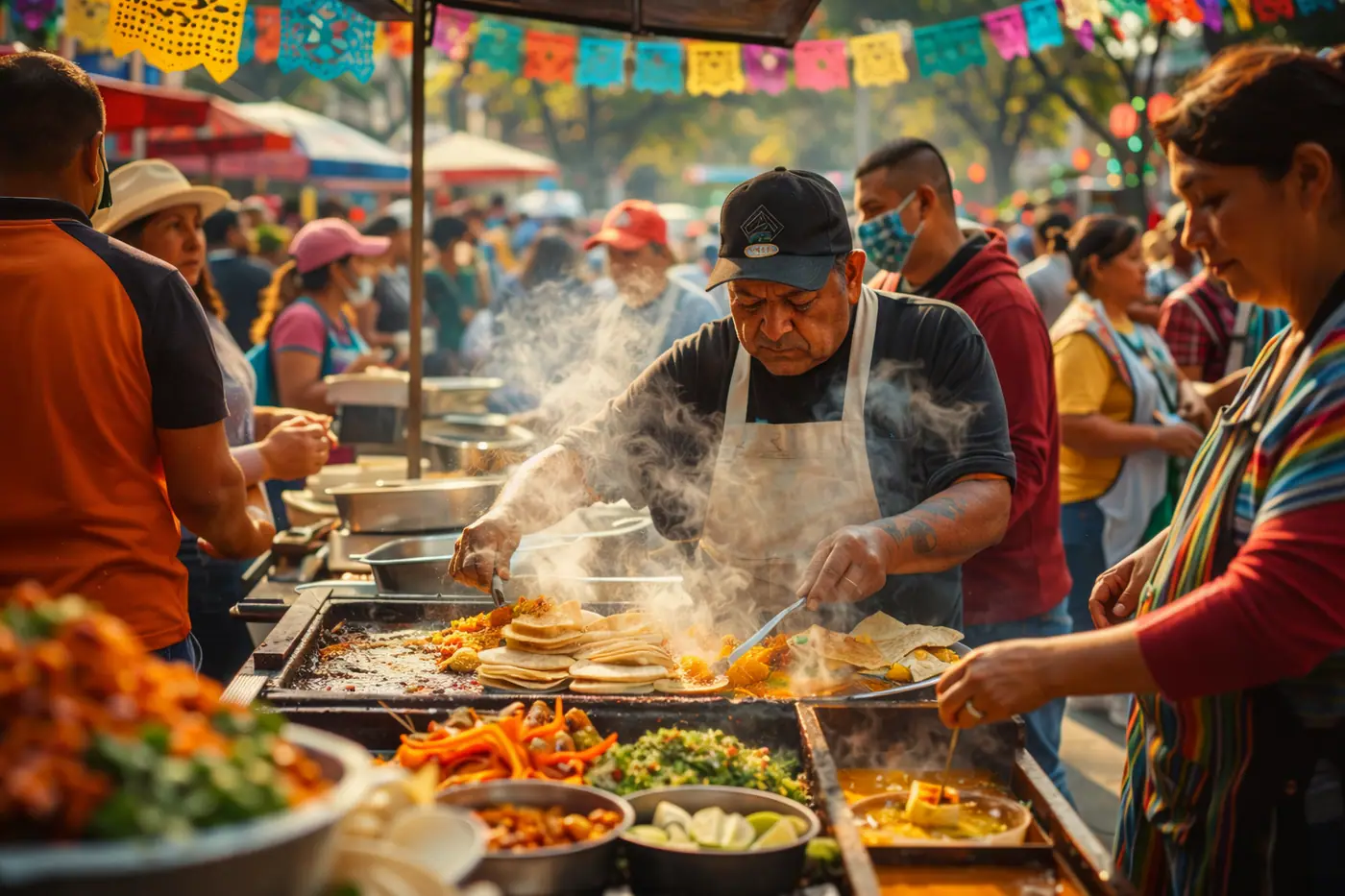
- Heat: meat on a hot plancha, grill, or trompo
- Motion: cooks actually cooking, not chatting beside cold trays
- Crowd: locals eating, not only tourists photographing
- Speed: tacos assembled to order
- Hands/tools: tongs or practiced handwashing rhythm (not perfect, but not chaos)
If those five look good, you are usually fine to order a small round.
Hot meat beats pretty displays
At a taco stand, hot matters more than “looks refrigerated like a supermarket.”
Good signs:
- Al pastor shaved from a spinning trompo onto a hot surface
- Suadero, longaniza, or bistec hitting a hot plancha as you order
- Carnitas served hot from a busy pot or tray with constant demand
- Steam, sizzle, and short wait times
Caution signs:
- Cooked meat sitting lukewarm in open trays with no line
- Food that looks like it has been plated for a photo for a long time
- A stand that is open but nobody is eating
Tortillas: boring, important
Ask yourself: are tortillas coming off heat or from a warm stack that turns over quickly?
Warm, freshly heated tortillas are normal and good. A sad, cold stack with flies and no customers is not a vibe. It is a skip.
Salsa, onion, cilantro: calibrate to your stomach
Salsa is part of the joy. It is also where cautious stomachs get dramatic.
Practical approach:
- Day one in CDMX: taste a little salsa first; do not drown the taco
- Prefer stands where salsa is being refilled, not sun-baking untouched
- If you are sensitive, go lighter on raw onion and heavy raw salsa at first
- Cooked / roasted salsas are often friendlier than a giant vat of mystery green that has been open for hours
You can always add more heat. You cannot undo a heroic first salsa pour.
What about refrigeration?
Travel blogs love the word “refrigeration.” At street stands, translate it to:
- Cold ingredients that should be cold (cheese in some setups, certain dairy sides, raw seafood) should not feel warm and forgotten
- Hot foods that should be hot should be hot
- Time and temperature abuse is the real enemy: food parked in the danger zone with no customers
A trompo is not a fridge. It is a cooking system. Judge it by heat and service speed.
Seafood tacos: extra filter
Fish and shrimp can be excellent in CDMX. They also punish bad stalls harder than pastor does.
Look for:
- High turnover
- Clean-smelling stand (not sour or ammonia)
- Cooking happening when you order
- A crowd that includes locals, not only a marketing board in English
If the seafood looks dull, dry, or abandoned, choose pork or beef instead. No medal for bravery.
Drinks: ice, agua fresca, and sealed bottles
Common visitor strategy:
- First 24 hours: sealed water, soda, beer cans/bottles
- Later: expand to aguas frescas at busy places if you want
Ice in established restaurants is often purified. At tiny stands, sealed drinks remove one variable while you learn the city.
Alcohol + altitude + spicy salsa is a trio. Pace it.
What to avoid (clear skips)
- Empty stands with trays of waiting food and no sizzle
- Meat that is neither hot nor clearly being cooked to order
- Seafood that fails the smell/look/turnover test
- Someone aggressively pulling you in with no locals around
- Cutting boards and knives that look abandoned under flies, with no active prep
- “Too good” tourist plazas where every stall is identical and quiet
Also avoid eating your biggest street-food experiment on an empty stomach after a red-eye, or right before a long bus ride. Timing matters.
A safe first order
Keep round one simple:
- 2 al pastor or 2 suadero
- Light salsa
- One sealed drink
- Eat standing or at the counter like everyone else
- Wait 20 minutes; reorder what you loved
That is how locals eat anyway: small rounds, not a 12-taco panic plate.
Hygiene theater vs real signals
Spotless tile is nice. It is not the only signal.
A slightly scrappy stand with a crushing lunch line and a screaming-hot plancha often beats a polished “clean” tourist counter with lukewarm food under a heat lamp of sadness.
Trust process (heat + turnover) over aesthetics.
If you get an upset stomach anyway
It happens in every big food city, including at home.
- Hydrate
- Go easy for a meal
- Use basic traveler meds you already know
- Seek care if symptoms are severe, bloody, or persistent
One rough morning does not mean Mexico City “got you.” Sometimes it is altitude, overeating, or three micheladas of confidence.
DIY vs a guided taco crawl
If decision fatigue is high, a hosted crawl helps: someone already filtered the stands, handles the flow, and keeps you moving through good options. Our Guateque Taco Crawl is built for that.
If you DIY, use this guide plus Best Tacos in Mexico City and start near where you are staying.
Quick checklist (save this)
Green lights
- Hot cooking surface in use
- Locals in line
- Made-to-order tacos
- Fast turnover
- Fresh-looking salsa refills
Yellow lights
- You are very hungry and tempted to over-order
- Heavy raw toppings on day one
- Seafood at an unproven stand
Red lights
- Lukewarm meat sitting out
- No customers
- Off smells
- Aggressive hustle with no local proof
Street tacos reward the curious and the calm. Look for heat, follow the locals, start small, and leave room for a second round.
FAQ
- How do I know a taco stand is safe?
- Look for heat and turnover: meat coming off a hot surface, a line of locals, and tortillas cooked or reheated to order. A busy stand is usually safer than a quiet one with trays of waiting food.
- Should taco meat be refrigerated?
- At street stands, the key is hot holding and continuous cooking, not a home-style fridge display. Pastor on a spinning trompo and suadero on a hot plancha are normal. Be wary of cooked meat sitting lukewarm for long stretches.
- Is salsa safe at taco stands?
- Often yes at busy places with fresh turnover. If you are sensitive, start with a little, prefer cooked or roasted salsas, and skip anything that smells off or sits uncovered in the sun with no customers.
- Can I drink the agua fresca?
- Many locals do. Visitors with cautious stomachs often stick to sealed bottled drinks or cans on day one, then expand once they feel settled.
- What should first-timers order?
- Al pastor or other meats cooked in front of you. Save raw-heavy toppings and adventurous seafood for after you see how your body handles CDMX food.
From the day
Scenes from Mexico City and the days around it.

Prefer a quieter day
Private transport. Local host. Your pace.
Want the stands without the map chaos? A guided crawl keeps the night moving and the decisions light.
See traveler notes or our Google profile.
Related experiences
If a private guide and door-to-door logistics would make this easier, these Guateque Time experiences are a natural next step.
- Private Taco Tour Mexico City (San Rafael)
Private taco crawl through San Rafael with a local host. Four stops, real neighborhood flavors, hotel pickup included. From $65. Skip tourist-trap taco tours.
Keep reading
More answers in the Mexico City knowledge base.